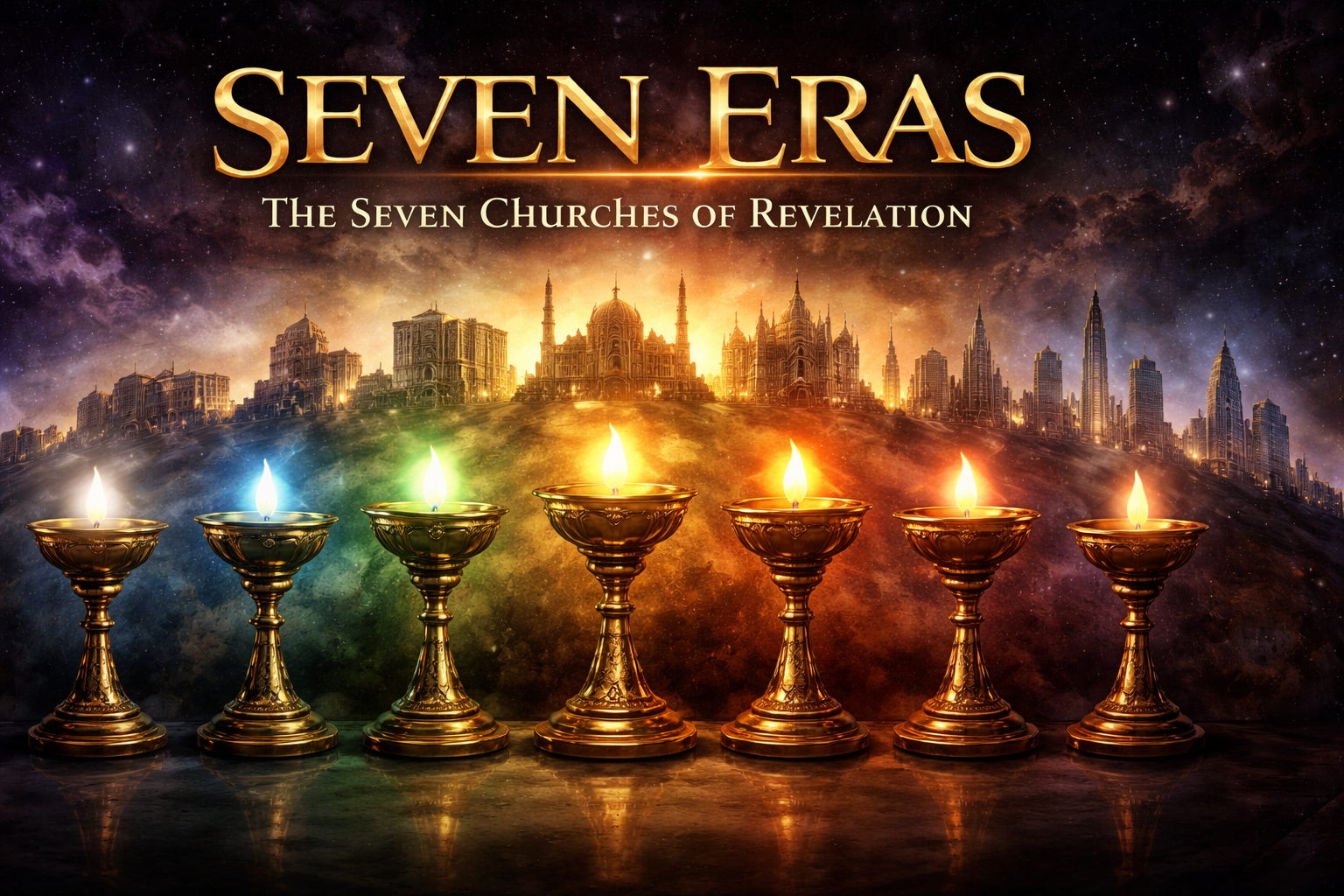
The Seven Prophetic Periods
The Apostolic Assembly -- Left Its First Love
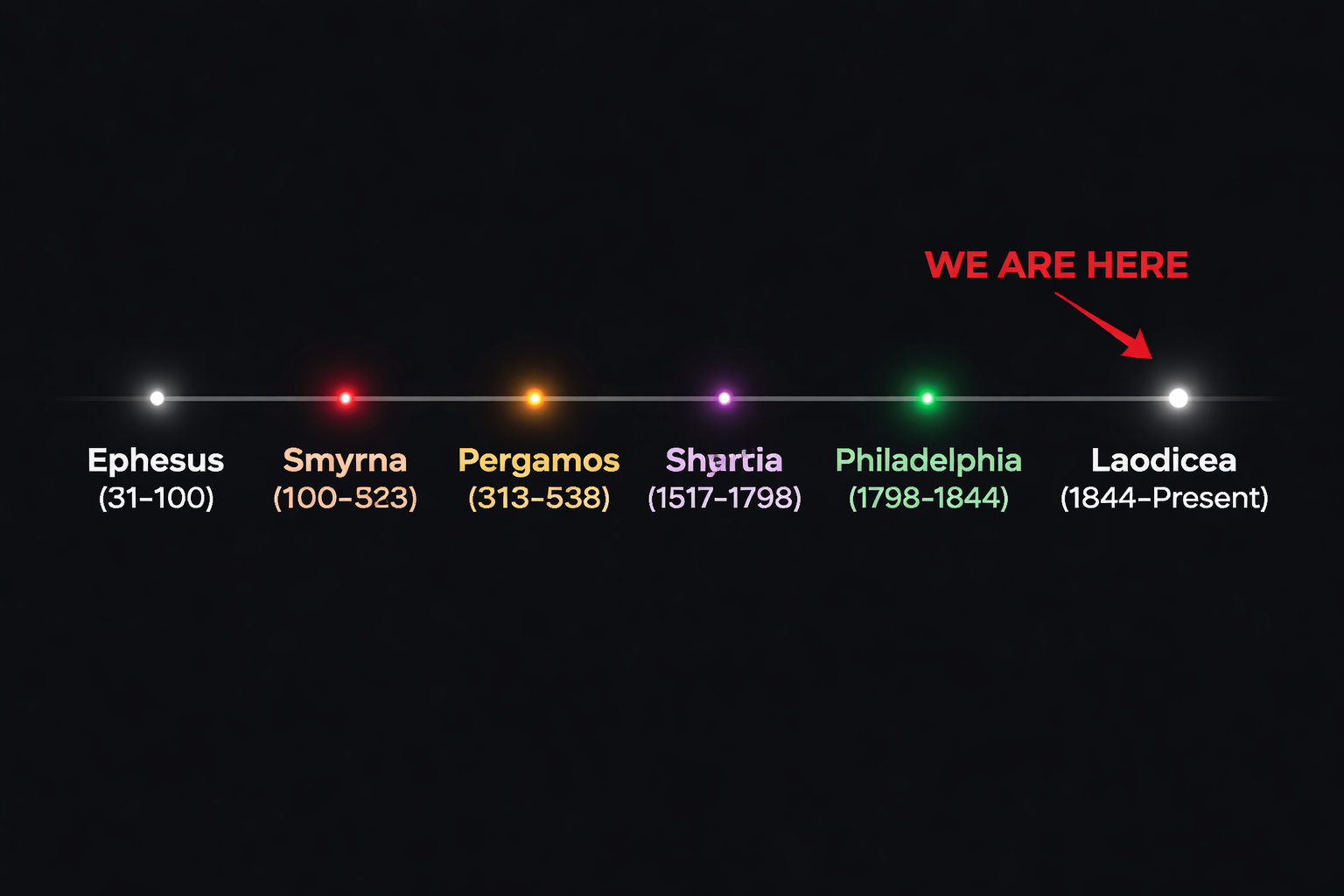
The apostolic period. The assembly was founded on pure doctrine, directly taught by the apostles who walked with Yahusha. They had sound teaching, tested false apostles, and endured persecution with patience. Yet even in this earliest period, the cooling had begun. The initial fire of devotion was fading. Doctrine was correct, but passion was waning.
The Persecuted Assembly -- Faithful Unto Death
The era of intense Roman persecution. Ten major waves of tribulation under emperors from Nero to Diocletian. Believers were fed to lions, burned alive, crucified, and tortured. Smyrna means "myrrh" -- a spice associated with suffering and burial. This is the assembly with no rebuke from Yahusha. Persecution purified them. The blood of the martyrs became the seed of the assembly.
The Compromising Assembly -- Where the Adversary's Seat Is
The era of compromise. In 313 AD, Constantine issued the Edict of Milan, ending persecution. But the price was union between the assembly and the state. Pagans flooded in, bringing their customs: sun worship repackaged as Sunday worship, Saturnalia repackaged as Christmas, fertility rites repackaged as Easter. The assembly gained worldly power but lost spiritual purity. The doctrine of the Nicolaitans -- a clerical hierarchy lording over the people -- took root.
The Papal Assembly -- The Jezebel System
The Dark Ages. The Papacy reigned with absolute authority for nearly a thousand years. Yahusha identifies this period with "that woman Jezebel" -- the Old Testament queen who imposed Baal worship on Israel. The parallel is exact: just as Jezebel replaced the worship of Yahuah with paganism, the Papal system replaced Torah with tradition. The Inquisition murdered millions. Bibles were banned. The common people were kept in darkness. Yet even here, a faithful remnant endured -- the Waldenses, the Albigenses, and others who clung to Scripture at the cost of their lives.
The Reformation Assembly -- A Name That Thou Livest, and Art Dead
The Protestant Reformation. Luther, Calvin, Knox, Zwingli, Tyndale -- brave men who broke from Rome and recovered precious truths: salvation by faith, the authority of Scripture, the priesthood of all believers. Yet Yahusha's verdict is sobering: "thou hast a name that thou livest, and art dead." Why? Because the Reformation stopped short. They recovered some truth but kept Rome's Sunday. They kept Rome's pagan holidays. They kept Rome's substitute names. They rejected the Pope but kept many of his doctrines. They had a reputation for being alive -- reformed, Protestant, free -- but the reformation was incomplete.
The Faithful Assembly -- The Open Door
The great missionary era. Bible societies were founded. Scripture was translated into hundreds of languages. The Great Awakening swept through nations. William Miller and others began intense study of Daniel's time prophecies, leading to the expectation of the Messiah's return in 1844. This is the assembly of "little strength" but great faithfulness. Like Smyrna, Philadelphia receives no rebuke. They were given an "open door" -- access to prophetic understanding that had been sealed for centuries. They kept His word and did not deny His name.
The End-Time Assembly -- Lukewarm, and About to Be Spewed Out
This is us. The final period. The assembly that is "neither cold nor hot" -- lukewarm. The Laodicean assembly has more Bibles, more resources, more technology, more access to truth than any generation in history. And yet it is the most spiritually blind. It says, "I am rich, and increased with goods, and have need of nothing" -- mega-churches, prosperity gospel, entertainment-driven worship, feel-good sermons. But Yahusha's diagnosis is devastating: "thou art wretched, and miserable, and poor, and blind, and naked." He stands outside the door of His own assembly, knocking, asking to be let in. The end-time assembly has shut Him out.